Why Health Promotion Officer training matters now
South Africa needs more than treatment. The country needs prevention, community support, early identification of risk, better household information, improved referral pathways and practical public health support at grassroots level. That is where the Health Promotion Officer becomes valuable.
AIET’s HPO training is aligned to the QCTO Occupational Certificate: Health Promotion Officer, SAQA ID 94597, NQF Level 3, with 163 credits. It combines Knowledge (KS), Practical Skills (PM) and Workplace Modules (WM) so that learning is not left in the classroom. Students are prepared to communicate, record, guide, promote and support in real community settings.
Creative scenario: a day in the life of an AIET HPO student
It is outreach day. The student arrives early, checks the registration forms, helps set up the health point and reviews the day’s priorities with the supervisor. Community members begin to arrive. Some need information about healthy living. Others ask about referrals, treatment adherence, HIV prevention, maternal health or child wellness. The HPO student listens, explains, encourages and records. Every interaction links back to what they have learned at AIET: community mobilisation, psychosocial support, reporting, household assessment, prevention education and care-driven communication.
By the end of the day, that student has not only practised a module. They have helped make health services more reachable, more understandable and more human.
How the curriculum becomes community action
AIET intentionally bridges theory and service. The programme structure builds real capability:
Knowledge modules (KS) build the foundation. Students study Public and Community Health Support, Family and Community Services and Basics of Community Health. This gives them the language, context and understanding needed to engage responsibly.
Practical modules (PM) drive applied skill. Students learn to mobilise communities, identify service needs, promote healthy lifestyles and mental wellbeing, promote HIV prevention, support maternal and infant health, promote child health and development, support psychosocial care, assist treatment adherence and report accurately.
Workplace modules (WM) place the learner in the rhythms of community life. They learn operations and dynamics of communities, household registration and assessment processes, health promotion processes, formal health provision processes, emotional and social wellness support processes and household treatment processes of minor ailments.
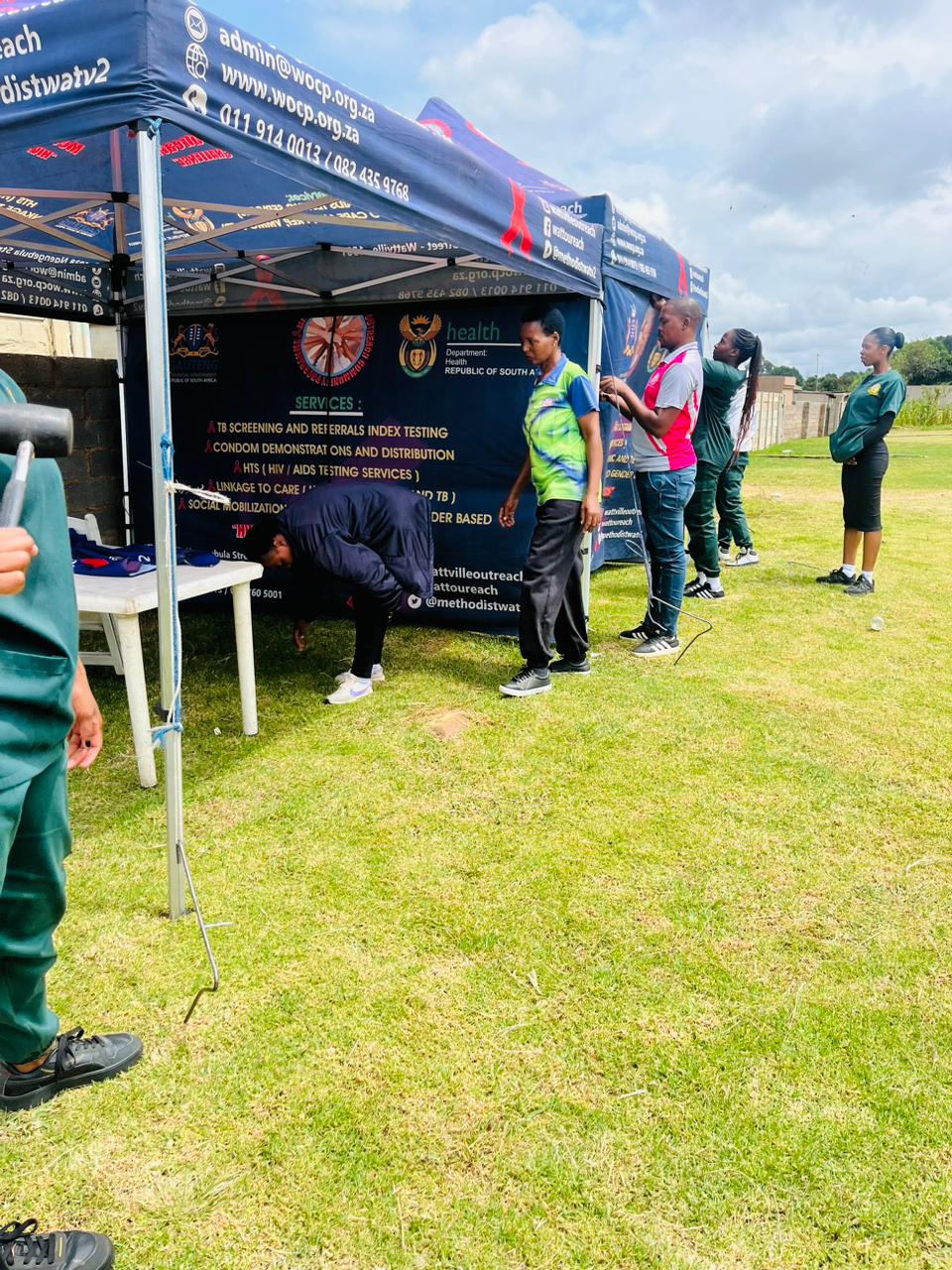
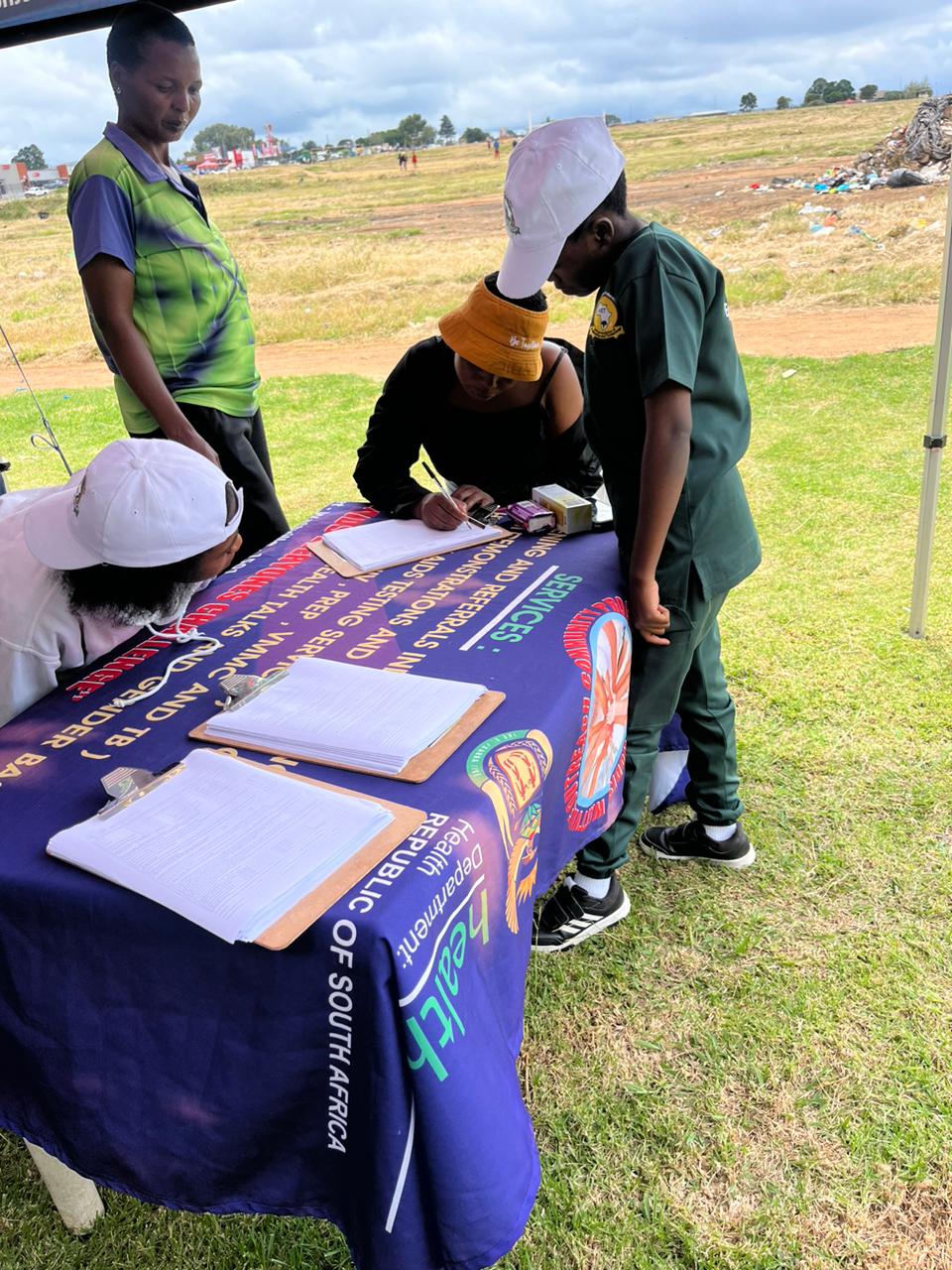
How HPO graduates contribute to the country
Strong health systems do not begin only at hospitals. They begin in informed households, alert communities and early support environments. HPO graduates contribute by helping communities understand risk, access services earlier and make healthier choices. This reduces pressure on health systems over time and strengthens population wellbeing.
In economic terms, healthier communities support productivity, family stability and long-term resilience. When mothers receive support earlier, when children are guided better, when treatment adherence improves and when households know where to go for help, the country becomes stronger. That is why community-based health capacity matters.
Where HPO graduates can work
An AIET HPO graduate can support work in ward-based outreach teams, NGOs, NPOs, community development programmes, schools, clinics, home-based care environments, municipal projects, health campaigns and other organisations that need frontline health support and community linkage capability.
The lifestyle of an HPO graduate often suits someone who enjoys service, communication and structure. It is meaningful work. It involves people, movement, outreach, planning, problem-solving and responsibility. It can also open future growth into broader community health, caregiving, social development or public health pathways.
Why these images matter on the AIET website
Search engines and prospective students respond to clarity and authenticity. Real images help visitors understand that AIET training is active, practical and community-connected. They improve the richness of the page, strengthen image search potential, support storytelling and build trust with parents, applicants and partners.
These visuals tell an important truth: AIET trains students who can step into communities, contribute to health promotion and carry the values of safety, care, wellbeing and service into the country’s future.